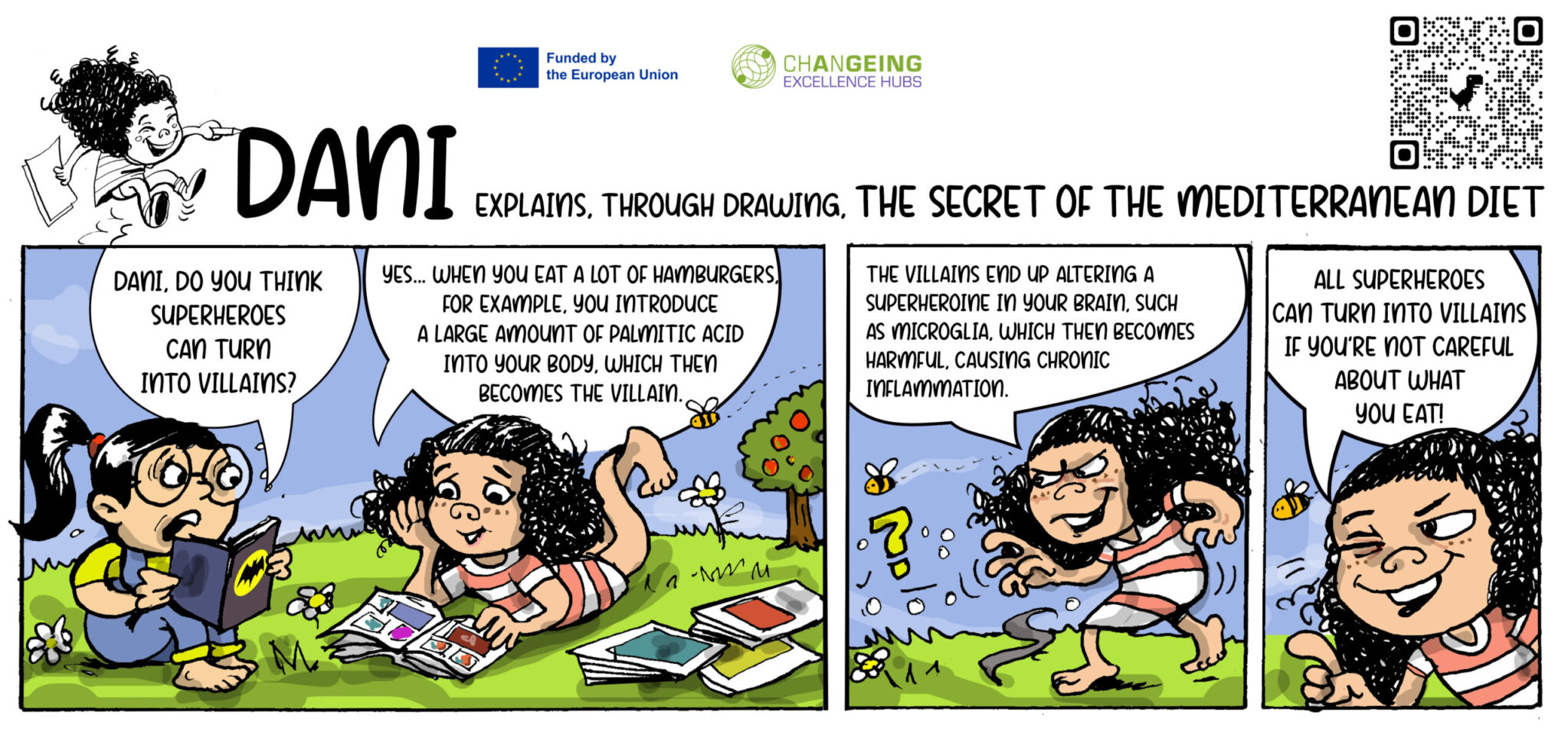
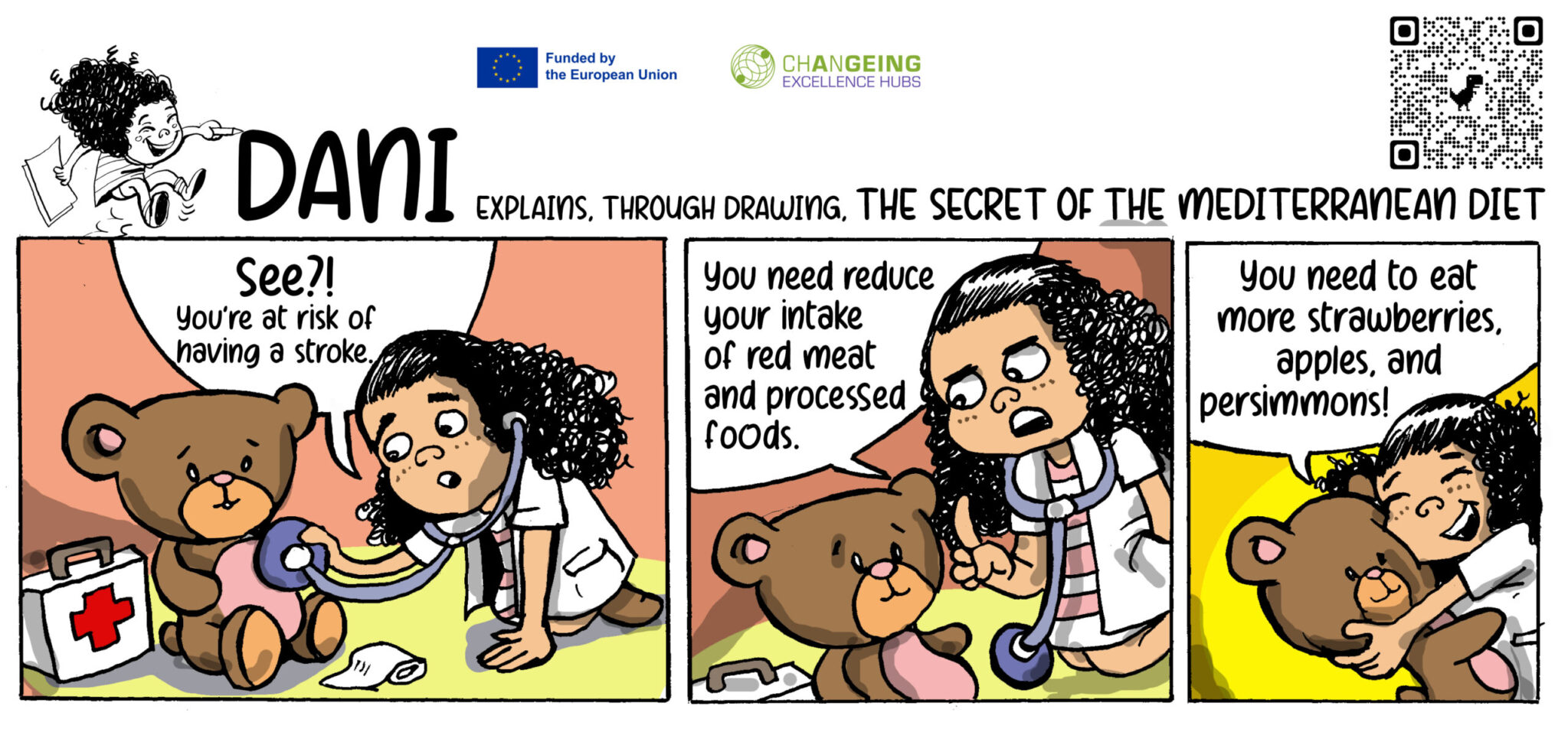
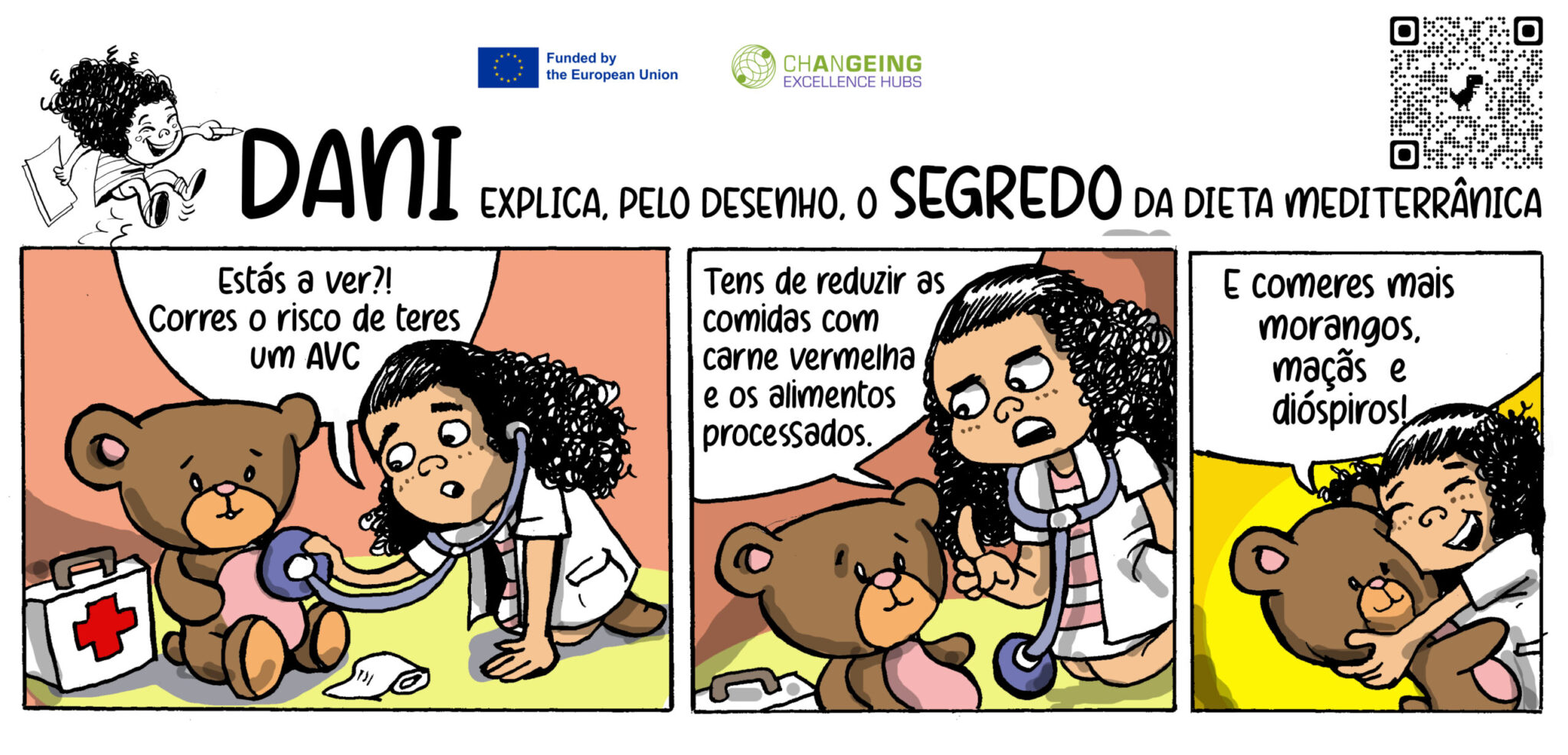
Science has already confirmed that the risk of stroke does not appear out of nowhere. It is fueled by problems we know well: obesity, type 2 diabetes, hypercholesterolemia, and hypertension. At the center of this hurricane is our diet, often rich in saturated fats. One of the main negative protagonists is palmitic acid, [2] a fat common in processed foods and red meats. When we consume palmitic acid in excess, our body enters a state of imbalance which, at the brain level, results in lipid dysmetabolism—a disruption in fat processing. This leads to a “storm” that can result in diseases such as stroke, through:
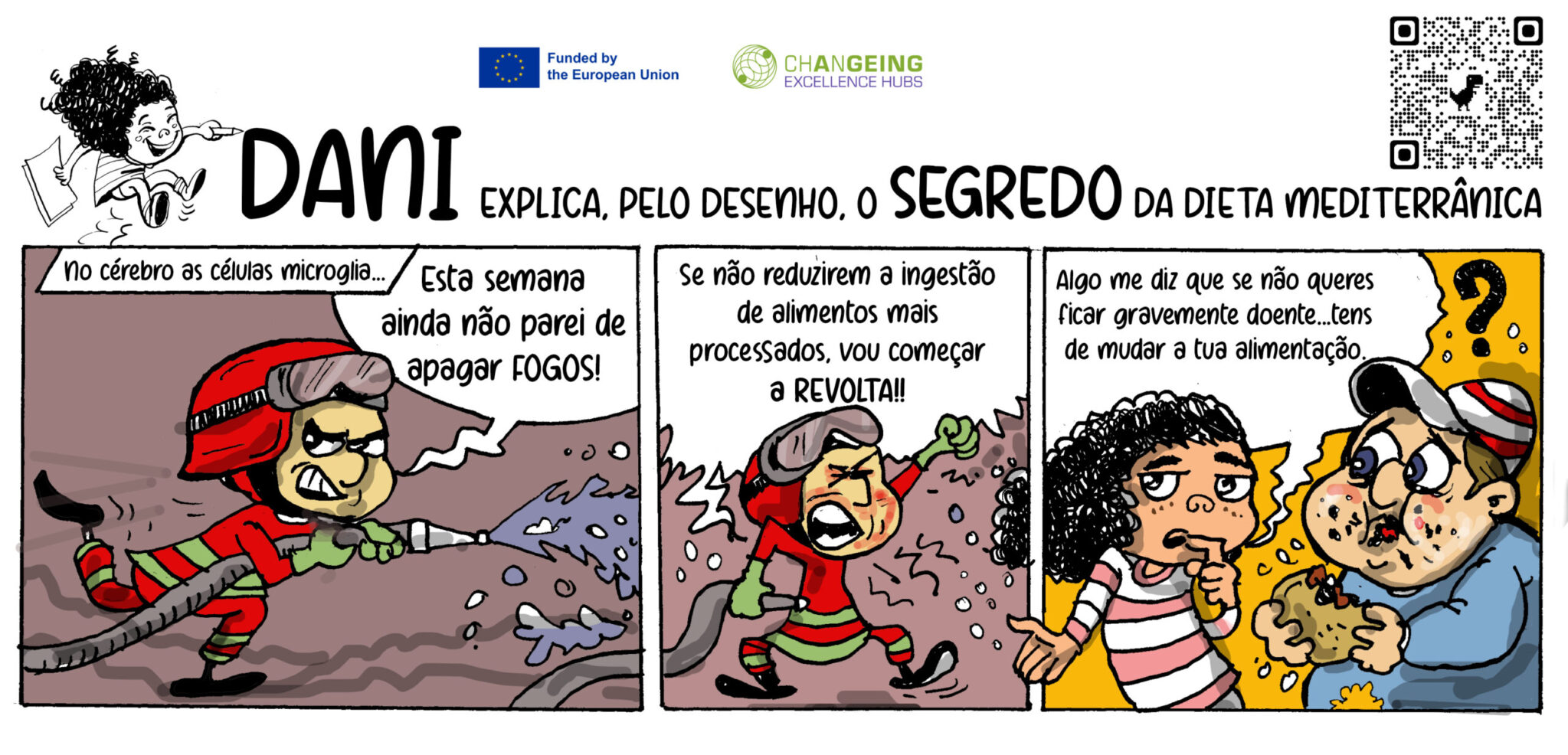
In this scenario, two of the most affected cell types are neurons, responsible for our thoughts and movements, and microglia, which function as the brain’s “immune sentinels” or “firefighters.” When microglia are attacked by palmitic acid, they stop protecting the brain and may start contributing to the damage. [3]
While saturated fats attack, the Mediterranean Diet emerges as one of the most effective defenses. More than just a weight-loss regimen, the Mediterranean Diet is a lifestyle. It is characterized by the abundant consumption of vegetables, fruits, fish, and the precious extra virgin olive oil, while keeping processed foods at a distance. [3]
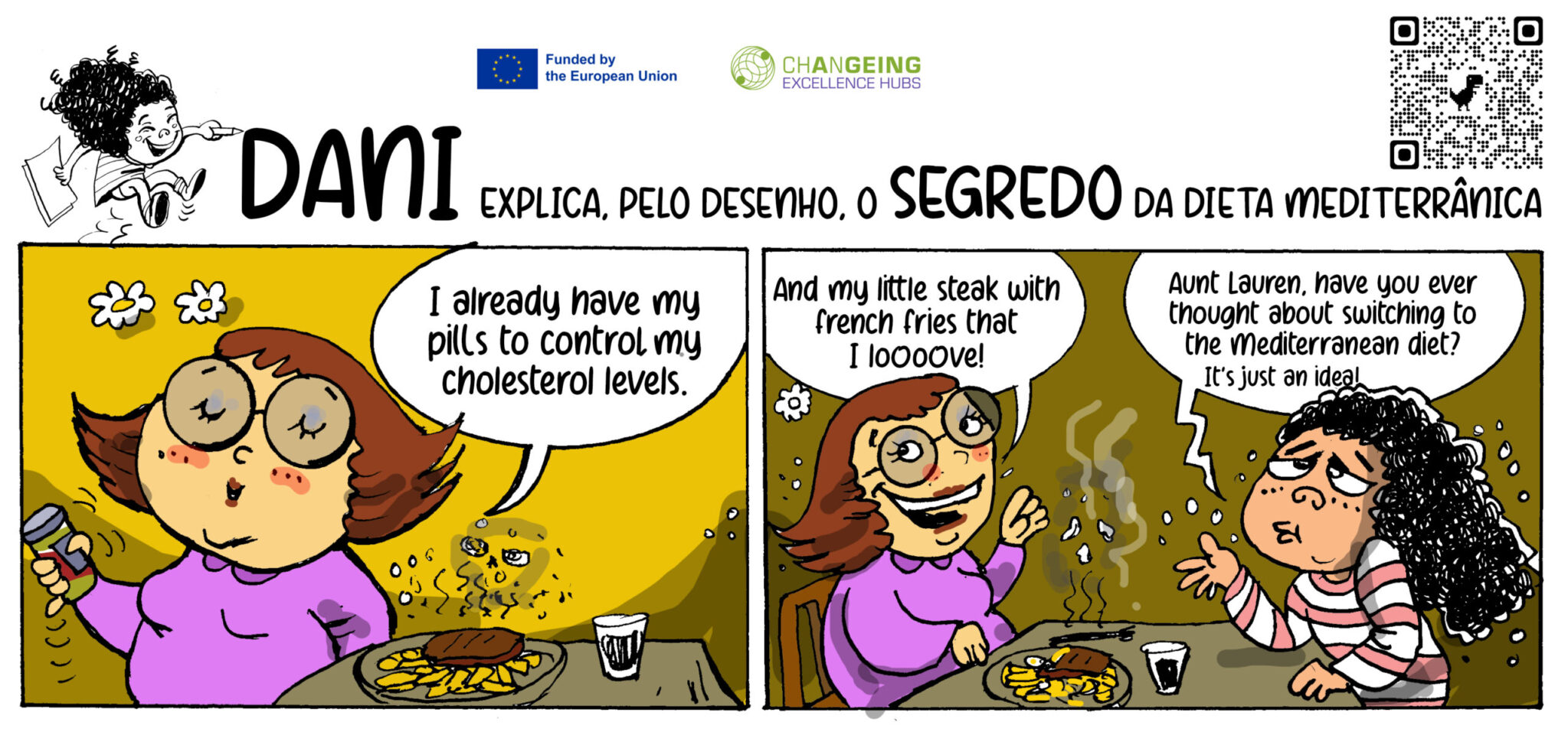
Medical guidelines worldwide recommend this dietary and cultural pattern because it may act as a balm for the cardiovascular system. However, we face a cultural problem, as adherence to the Mediterranean diet is still low. [4] Many people prefer to rely on pills to control “bad” cholesterol (LDL) levels or blood pressure rather than changing what they put on their plates. Furthermore, science is still trying to answer a fundamental question: exactly how does the Mediterranean Diet protect us? Is it the combination of everything, or are there specific ingredients that make the difference?
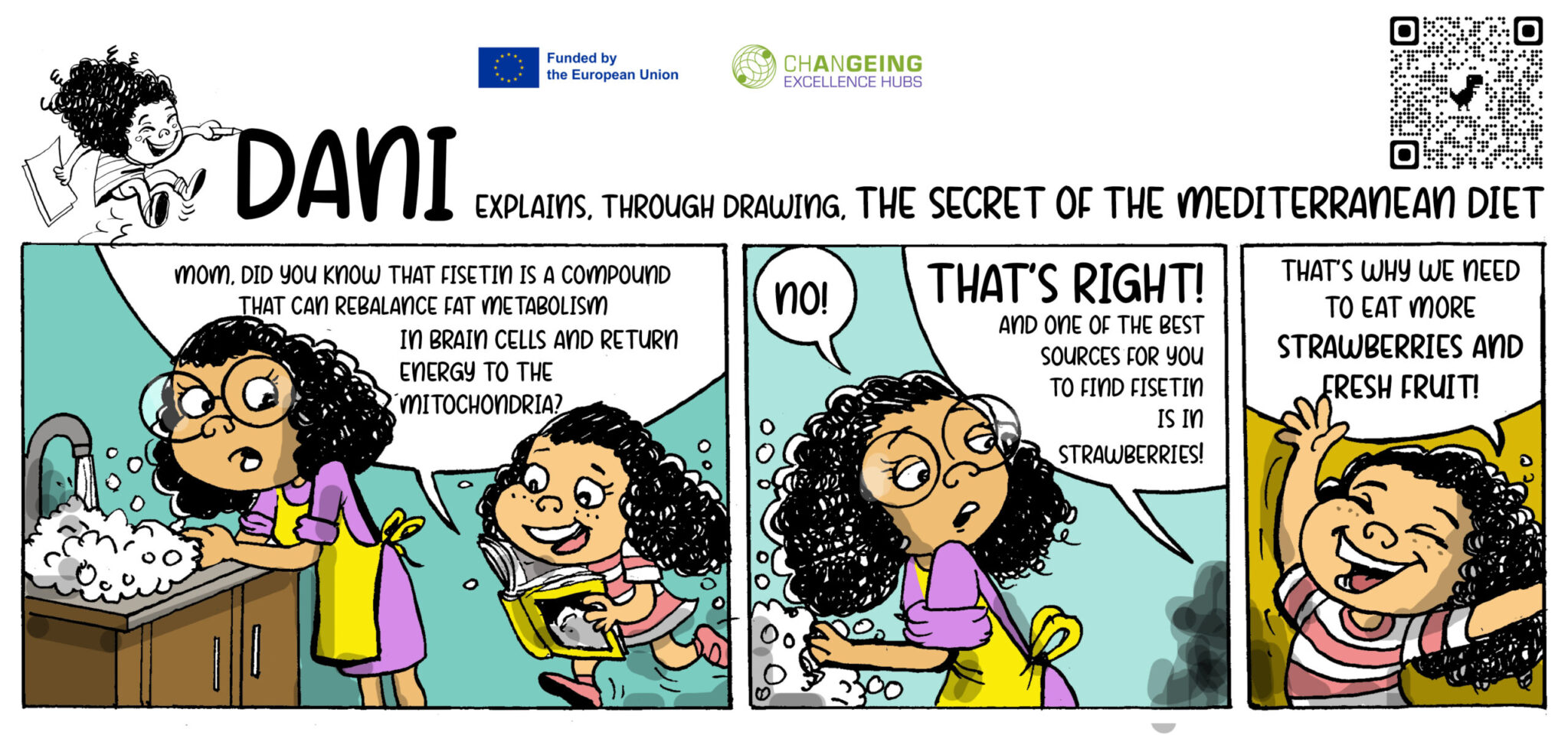
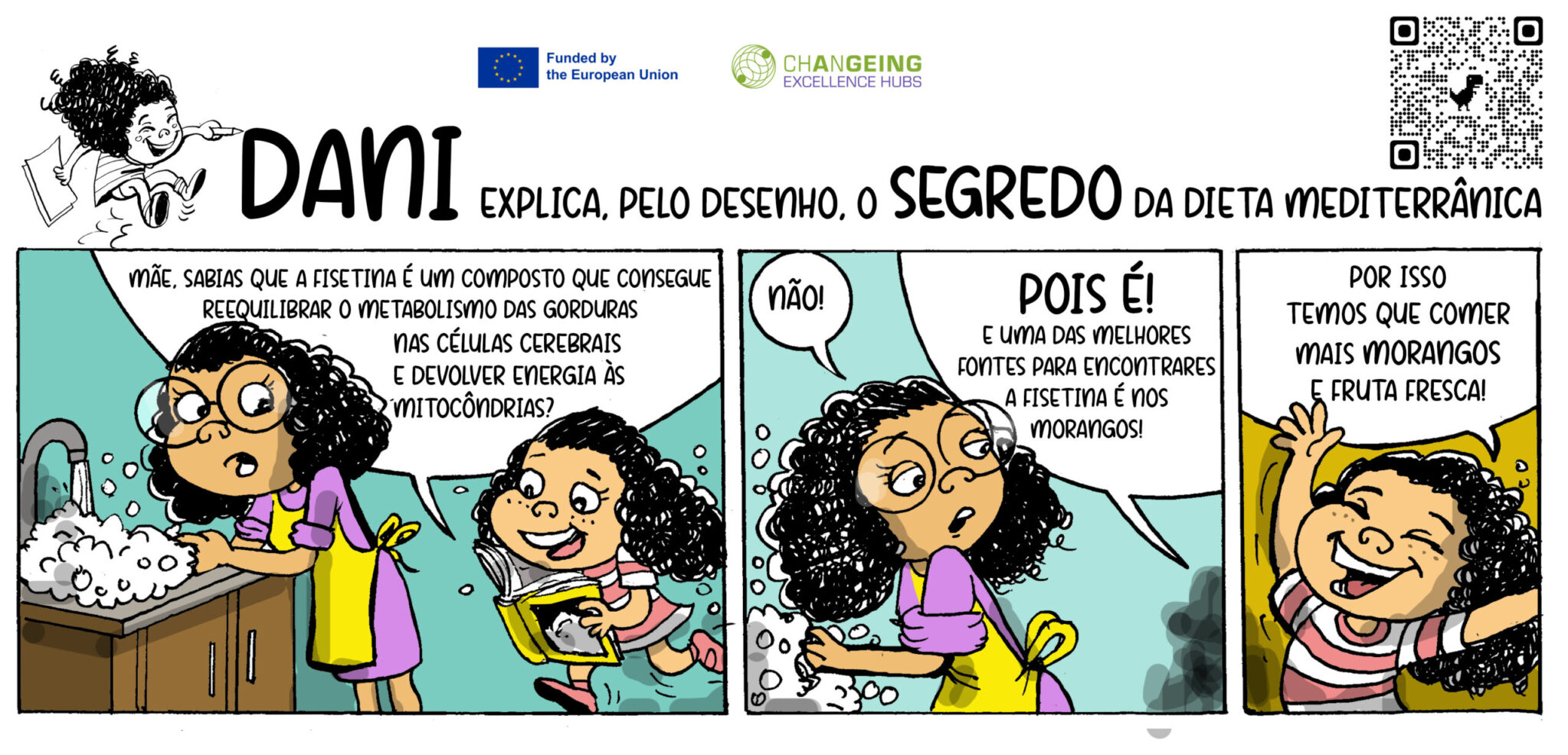
This is where a fascinating discovery comes in: fisetin. This compound is a flavonol present in various foods of the Mediterranean Diet, with a special emphasis on strawberries. [5] Fisetin is not just a pigment; it possesses extraordinary properties that science is now dissecting:
The big question that current research is trying to answer is: could fisetin be the clinical antidote against the damage caused by palmitic acid? If we can prove that this compound protects neurons and microglia, we may be paving a new way to prevent and combat strokes and neurodegenerative diseases.
Our work focuses precisely on this microscopic battlefield. We want to understand if fisetin can rebalance fat metabolism in brain cells and restore energy to the mitochondria. By studying how this nutrient interacts with microglia and neurons, the goal is clear: to stop cell death before it occurs.
Although science takes time, the message for daily life is already powerful. Protecting the brain can start with simple choices: swapping saturated fat for the good fats of the Mediterranean Diet and including red fruits, like strawberries, in your eating routine.
Stroke may be a difficult enemy, but knowledge about what we eat and how our cells react to those nutrients is finally giving us the tools to fight these public health problems.
Imagine your brain as a fortified city. Neurons are the citizens who transmit messages and keep the city running. Microglia, on the other hand, are the city’s police force, fire department, and cleaning crew. [6]
In normal conditions, microglia are in a state of active surveillance. They use their long “arms” (prolongations) to sense the environment, removing cellular debris and ensuring that the connections between neurons (synapses) are healthy. They protect the brain against invaders and repair small damages.
The problem arises when we consume saturated fats in excess (such as palmitic acid). [2,6] Microglia detect these fats as a danger signal. The result can be dramatic:
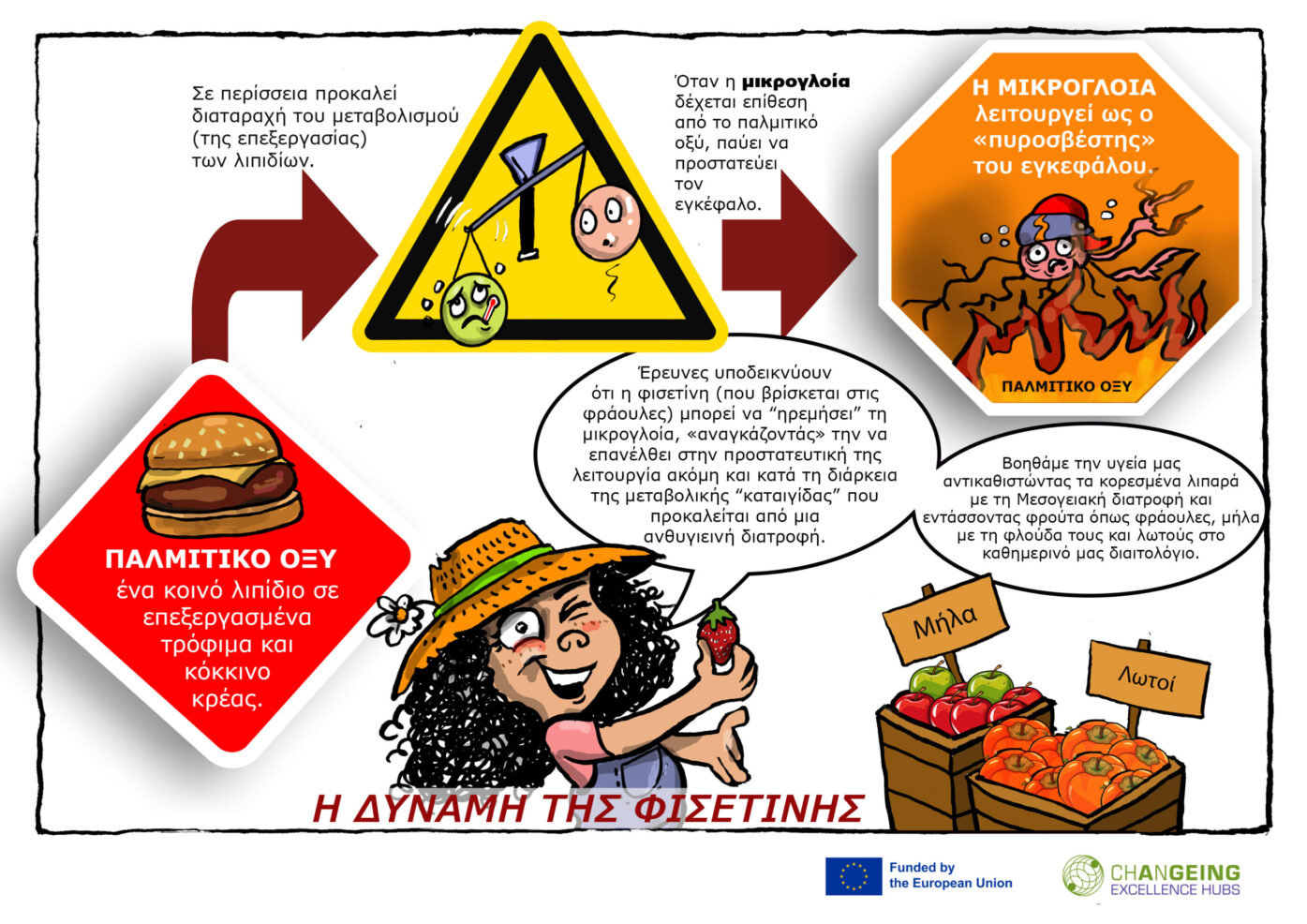
Where does Fisetin come in? Research suggests that fisetin can “calm” the microglia, “forcing” them to return to their protective mode and preventing them from destroying neurons during the storm caused by poor diet. [7]
Although fisetin is being studied as a supplement, the best way to obtain it in a balanced and synergistic manner is through food. Here are the richest sources and tips for consuming them:
To protect your “brain sentinels,” an ideal lunch could be: A green leaf salad with red onion and cucumber, dressed with extra-virgin olive oil, followed by a dessert of fresh strawberries. This combination offers a “cocktail” of fisetin and monounsaturated fats that tell your microglia: “You can relax, we are safe.”
Authors: Débora Mena and Ana Isael Duarte
Design: José Gomes
Text: António Piedade

A ciência já confirmou que o risco de AVC não surge do nada. Ele é alimentado por problemas que conhecemos bem: obesidade, diabetes tipo 2, hipercolesterolemia e hipertensão. No centro deste furacão está a nossa dieta, muitas vezes rica em gorduras saturadas. Um dos principais protagonistas negativos é o ácido palmítico, [2] uma gordura comum em alimentos processados e carnes vermelhas. Quando consumimos ácido palmítico em excesso, o nosso corpo entra em desequilíbrio. A nível cerebral, este excesso causa o que os cientistas chamam de dismetabolismo lipídico, uma confusão no processamento de gorduras. Isto leva a uma “tempestade” que pode levar a doenças como o AVC, através de:
Neste cenário, dois dos grupos de células mais atingidos são os neurónios, responsáveis pelos nossos pensamentos e movimentos, e a microglia, que funciona como as “sentinelas imunitárias” ou “bombeiros” do cérebro. Quando a microglia é agredida pelo ácido palmítico, ela deixa de proteger o cérebro e pode passar a contribuir para o dano. [3]
Enquanto as gorduras saturadas atacam, a Dieta Mediterrânica surge como uma das defesas mais eficazes de que temos conhecimento. Mais do que um regime para perder peso, a Dieta Mediterrânica é um estilo de vida. Caracteriza-se pelo consumo abundante de vegetais, frutas, peixe e do precioso azeite, enquanto mantém os alimentos processados à distância. [3]
As diretrizes médicas em todo o mundo recomendam este padrão alimentar e cultural porque ele parece atuar como um bálsamo para o sistema cardiovascular.
No entanto, enfrentamos um problema cultural, pois a adesão à dieta mediterrânica ainda é baixa. [4]
Muitas pessoas preferem recorrer a comprimidos para controlar os níveis de colesterol ou a tensão arterial do que mudar o que colocam no prato. Além disso, a ciência ainda tenta responder a uma pergunta fundamental: como é que a Dieta Mediterrânica nos protege exatamente?Será a combinação de tudo ou existem ingredientes específicos que fazem a diferença?
É aqui que entra uma descoberta fascinante: a fisetina. Este composto é um flavonol presente em vários frutos da Dieta Mediterrânica, com especial destaque para o morango. [5]
A fisetina não é apenas um pigmento; ela possui propriedades extraordinárias que a ciência está agora a dissecar:
A grande questão que a investigação atual tenta responder é: poderá a fisetina ser o antídoto clínico contra os danos causados pelo ácido palmítico? Se conseguirmos provar que este composto protege os neurónios e a microglia, poderemos estar perante uma nova forma de prevenir e combater o AVC e as doenças neurodegenerativas.
O nosso trabalho foca-se precisamente neste campo de batalha microscópico. Queremos perceber se a fisetina consegue reequilibrar o metabolismo das gorduras nas células cerebrais e devolver a energia às mitocôndrias. Ao estudar como este nutriente interage com a microglia e os neurónios, o objetivo é claro: travar a morte celular antes que ela ocorra.
Embora a ciência leve o seu tempo, a mensagem para o dia a dia já é poderosa. Proteger o cérebro pode começar com escolhas simples: trocar a gordura saturada pelas gorduras boas da Dieta Mediterrânica e incluir frutos vermelhos, como o morango, na rotina alimentar.
O AVC pode ser um inimigo difícil, mas o conhecimento sobre o que comemos e como as nossas células reagem a esses nutrientes está a dar, finalmente, as ferramentas para podermos lutar contra estes problemas de saúde pública.
Imagine o seu cérebro como uma cidade fortificada. Os neurónios são os cidadãos que transmitem mensagens e mantêm a cidade a funcionar. A microglia, por outro lado, é a força policial, o corpo de bombeiros e a equipa de limpeza da cidade. [6]
Em condições normais, a microglia está num estado de vigilância ativa. Ela usa os seus longos “braços” (prolongamentos) para sentir o ambiente, removendo detritos celulares e garantindo que as ligações entre os neurónios (sinapses) estão saudáveis. Ela protege o cérebro contra invasores e repara pequenos danos.
O problema surge quando consumimos gorduras saturadas em excesso (como o ácido palmítico) [2,6]. A microglia deteta estas gorduras como um sinal de perigo. O resultado pode ser dramático:
A investigação sugere que a fisetina consegue “acalmar” a microglia, “forçando-a” a voltar ao seu modo protetor e impedindo que ela destrua os neurónios durante a tempestade causada pela má alimentação. [7]
Embora a fisetina esteja a ser estudada como suplemento, a melhor forma de a obter de maneira equilibrada e sinérgica é através da alimentação. Aqui estão as fontes mais ricas e dicas para as consumir:
As Melhores Fontes (por ordem decrescente de concentração)
Dicas para Maximizar o Benefício:
Para proteger as suas “sentinelas cerebrais”, um almoço ideal poderia ser:
Uma salada de folhas verdes com cebola roxa e pepino, temperada com azeite, seguida de uma sobremesa de morangos frescos.
Esta combinação oferece um “cocktail” de fisetina e gorduras monoinsaturadas que dizem à sua microglia: “Podes relaxar, estamos seguros”.
Autore: Débora Mena e Ana Isabel Duarte
Design: José Gomes
Texto: António Piedade

Τα εγκεφαλικά επεισόδια είναι μία από τις μεγαλύτερες προκλήσεις της σύγχρονης ιατρικής. [1] Δεν είναι απλά θέμα ζωής και θανάτου· για πολλούς επιζώντες, ένα εγκεφαλικό επεισόδιο αφήνει βαθιά σημάδια, οδηγώντας σε δυσκολίες στη φυσιολογία και στις γνωστικές λειτουργίες, που αλλάζουν μόνιμα την πορεία της ζωής των ίδιων και των οικογενειών τους. Τι θα γινόταν όμως εάν μπορούσαμε να ενισχύσουμε τα εγκεφαλικά μας κύτταρα ενάντια στους «κακούς» της σύγχρονης Δυτικής διατροφής μας, πριν συμβούν τα χειρότερα;
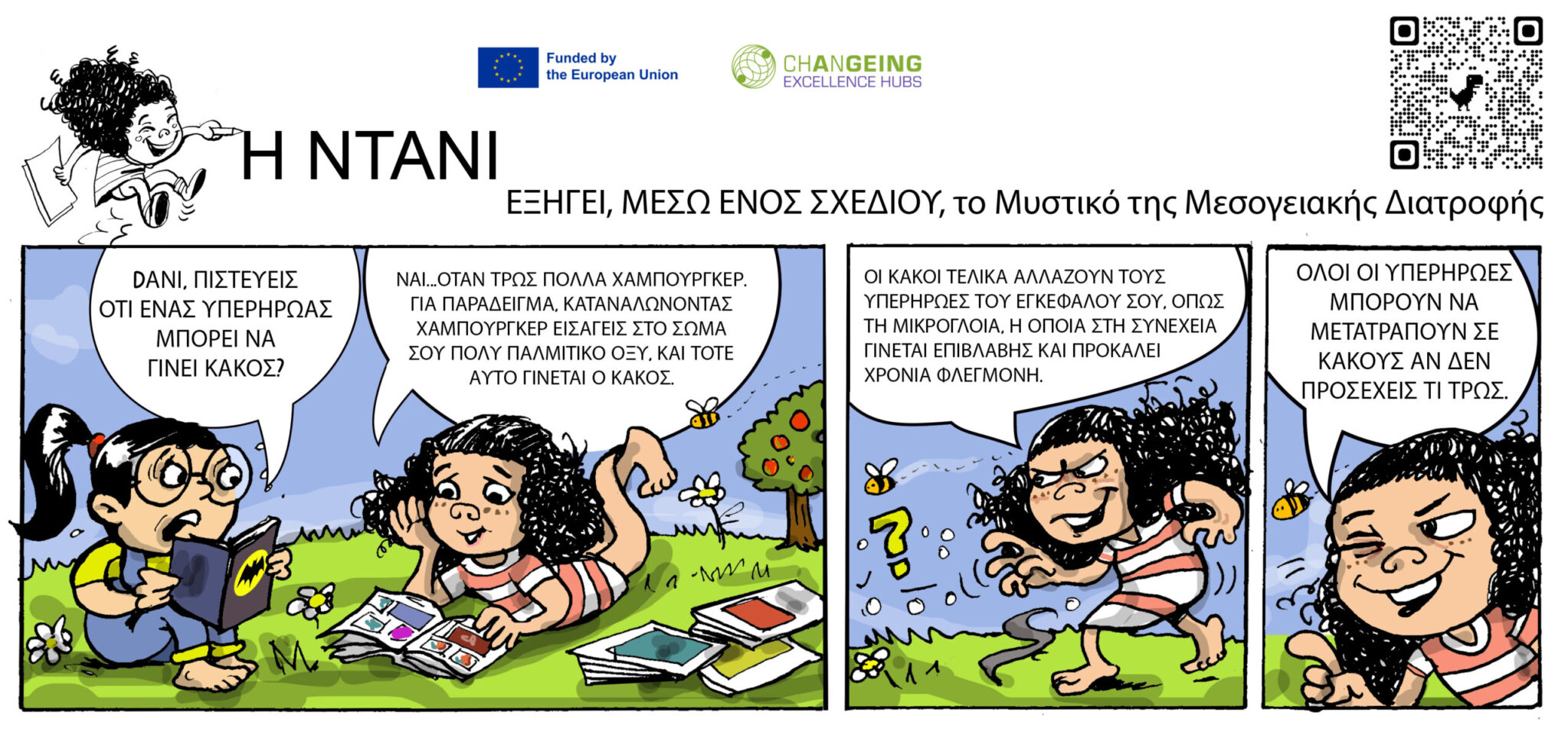
Η σύγχρονη επιστημονική έρευνα έχει ήδη επιβεβαιώσει ότι ο κίνδυνος εμφάνισης εγκεφαλικού επεισοδίου δεν εμφανίζεται από το πουθενά. Τροφοδοτείται από προβλήματα που γνωρίζουμε καλά: παχυσαρκία, διαβήτης τύπου 2, υπερχοληστερολαιμία, και υπέρταση. Στο επίκεντρο αυτού του «τυφώνα» βρίσκεται η διατροφή μας, συχνά πλούσια σε κορεσμένα λιπαρά. Ένα από τα πλέον επιβαρυντικά μόρια είναι το παλμιτικό οξύ, [2] ένα λιπαρό οξύ που εμφανίζεται συχνά σε επεξεργασμένα τρόφιμα και κόκκινα κρέατα. Η υπερβολική πρόσληψη παλμιτικού οξέος, διαταράσσει τη μεταβολική ομοιόσταση του οργανισμού και, σε νευρικό επίπεδο, προκαλεί διαταραχή του μεταβολισμού των λιπιδίων. Αυτό οδηγεί σε μία «καταιγίδα» γεγονότων που μπορεί να οδηγήσει σε ασθένειες όπως το εγκεφαλικό επεισόδιο, μέσω:
Σε αυτό το σενάριο, οι δύο τύποι κυττάρων που επηρεάζονται περισσότερο είναι τα νευρικά κύτταρα, τα οποία είναι υπεύθυνα για τις σκέψεις και κινήσεις μας, και η μικρογλοία, που λειτουργεί ως «ανοσοποιητικός φρουρός» ή «πυροσβέστης» του εγκεφάλου. Όταν η μικρογλοία δέχεται επίθεση από το παλμιτικό οξύ, σταματά να προστατεύει τον εγκέφαλο και μπορεί ακόμη και να συμβάλλει στη βλάβη. [3]
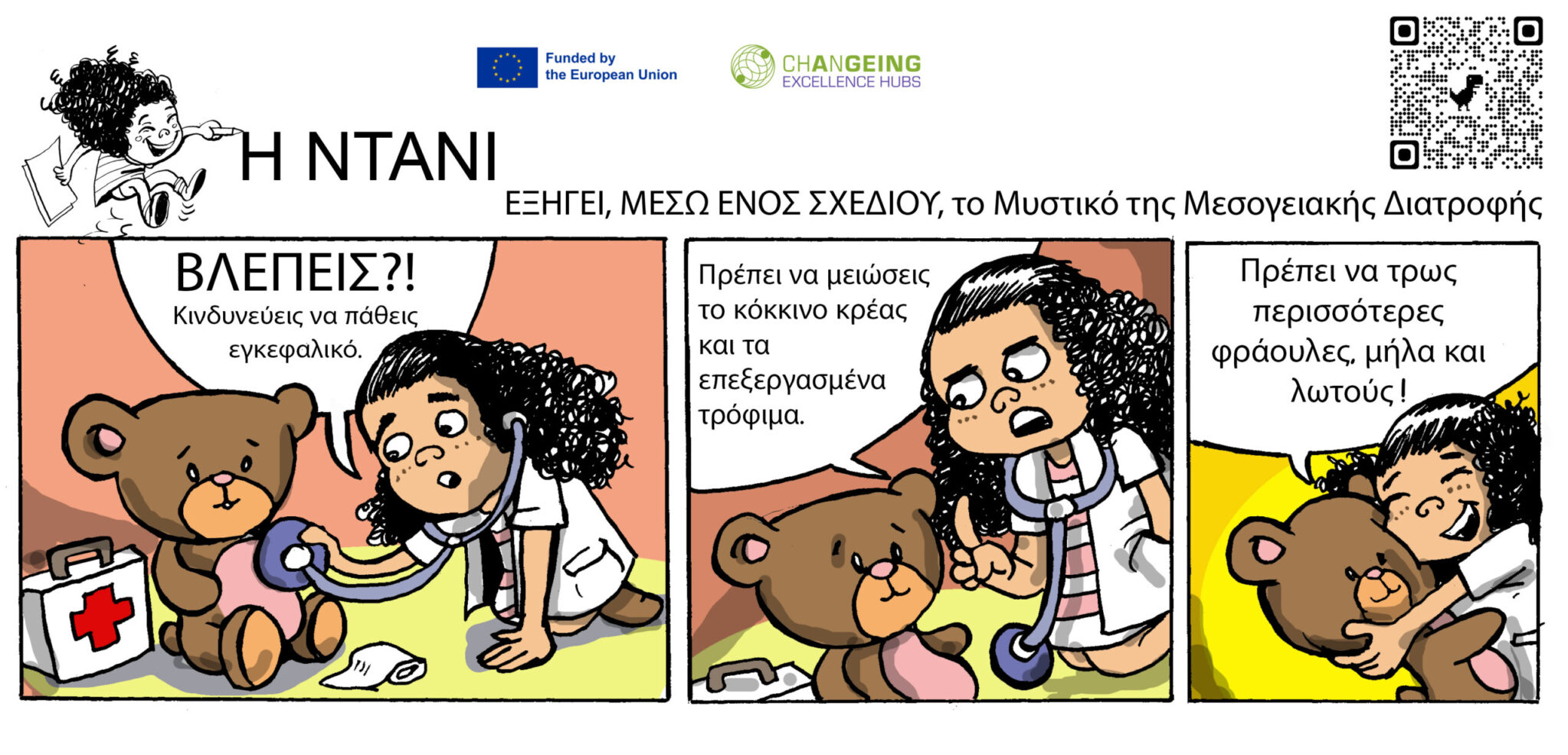
Κατά την επίθεση των κορεσμένων λιπαρών, η Μεσογειακή Διατροφή αναδεικνύεται ως μία από τις πιο αποτελεσματικές άμυνες. Η Μεσογειακή διατροφή είναι πολλά περισσότερα από ένα απλό πρόγραμμα απώλειας βάρους, είναι τρόπος ζωής. Χαρακτηρίζεται από άφθονη κατανάλωση λαχανικών, φρούτων, ψαριών, και πολύτιμου εξαιρετικού παρθένου ελαιολάδου, περιορίζοντας ταεπεξεργασμένα τρόφιμα. [3]
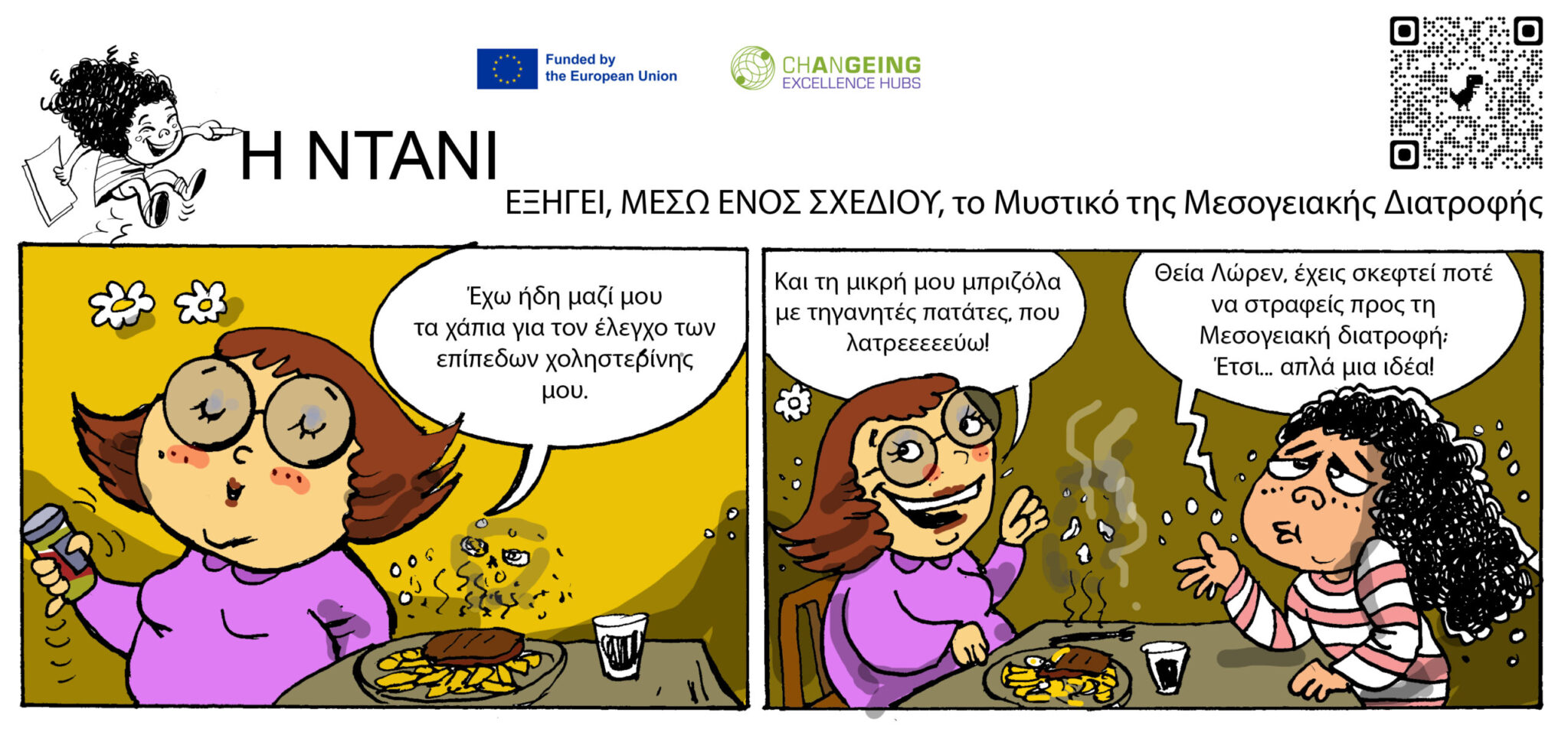
Οι διεθνείς ιατρικές οδηγίες παγκοσμίως συνιστούν το συγκεκριμένο διατροφικό και πολιτισμικό πρότυπο καθώς μπορεί να ασκεί προστατευτική δράση για το καρδιαγγειακό σύστημα. Παρ’ όλα αυτά, εξακολουθεί να υφίσταται ένα σημαντικό πολιτισμικό πρόβλημα, καθώς η τήρηση της Μεσογειακής διατροφής παραμένει ακόμη σε χαμηλά επίπεδα. [4] Πολλοί άνθρωποι προτιμούν να εξαρτώνται από χάπια για να ελέγξουν τα επίπεδα της «κακής» χοληστερίνης (LDL) ή την αρτηριακή πίεση παρά να αλλάξουν τις διατροφικές τους συνήθειες. Επιπλέον, η επιστημονική κοινότητα συνεχίζει να διερευνά ένα βασικό ερώτημα: πώς ακριβώς μας προστατεύει η Μεσογειακή Διατροφή; Είναι ο συνδυασμός πολλών παραγόντων, ή είναι συγκεκριμένα συστατικά που κάνουν τη διαφορά;
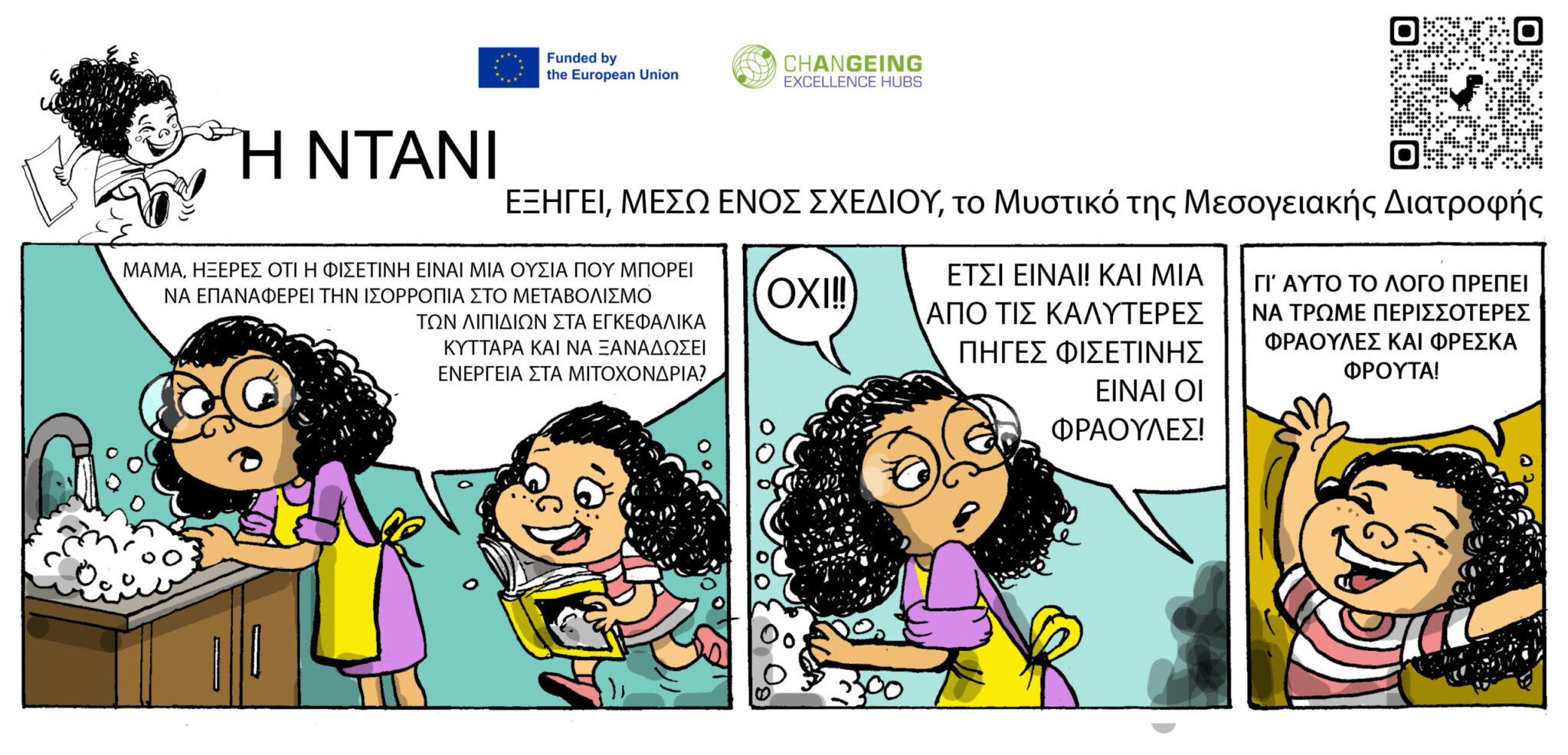
Σε αυτό το σημείο έρχεται μια συναρπαστική ανακάλυψη: η φισετίνη. Η ουσία αυτή είναι μία φλαβονόλη που υπάρχει σε διάφορα τρόφιμα της Μεσογειακής Διατροφής, και ειδικά στις φράουλες. [5] Η φισετίνη δεν είναι απλά μία χρωστική ουσία· διαθέτει εξαιρετικές ιδιότητες που η επιστήμη τώρα εξετάζει:
Το μεγάλο ερώτημα που η σύγχρονη έρευνα προσπαθεί να απαντήσει είναι: θα μπορούσε η φισετίνη να αποτελέσει το κλινικό αντίδοτο στις βλάβες που προκαλεί το παλμιτικό οξύ;Εάν μπορέσουμε να αποδείξουμε ότι αυτή η ουσία προστατεύει τους νευρώνες και τη μικρογλοία, τότε ίσως ανοίξουμε έναν καινούργιο δρόμο στην πρόληψη και καταπολέμηση εγκεφαλικών επεισοδίων και νευροεκφυλιστικών νόσων.
Η έρευνά μας εστιάζει ακριβώς σε αυτό το μικροσκοπικό πεδίο μάχης. Θέλουμε να καταλάβουμε εάν η φισετίνη μπορεί να επαναφέρει τον μεταβολισμό των λιπιδίων στα εγκεφαλικά κύτταρα και να αποκαταστήσει την ενέργεια στα μιτοχόνδρια. Μελετώντας τον τρόπο με τον οποίο αυτό το θρεπτικό συστατικό αλληλεπιδρά με τη μικρογλοία και τους νευρώνες, ο στόχος είναι ξεκάθαρος: να εμποδίσουμε τον κυτταρικό θάνατο.
Παρότι η επιστήμη απαιτεί χρόνο, το μήνυμα για την καθημερινή ζωή είναι ήδη ισχυρό. Η προστασία του εγκεφάλου μπορεί να ξεκινήσει από απλές διατροφικές παρεμβάσεις: να αντικαταστήσουμε τα κορεσμένα λιπαρά με τα καλά λιπαρά της Μεσογειακής Διατροφής και να εντάξουμε κόκκινα φρούτα, όπως φράουλες, στη διατροφική μας ρουτίνα.
Το εγκεφαλικό επεισόδιο αποτελεί ένα δύσκολο αντίπαλο, αλλά η γνώση του τι τρώμε και πώς τα κύτταρά μας αντιδρούν σε αυτές τις θρεπτικές ουσίες, τελικά μας παρέχει τα εργαλεία να αντιμετωπίσουμε αυτά τα προβλήματα δημόσιας υγείας.
Φαντάσου τον εγκέφαλό σου σαν μια οχυρωμένη πόλη. Οι νευρώνες είναι οι πολίτες που μεταδίδουν τα μηνύματα και διατηρούν την πόλη σε εγρήγορση. Η μικρογλοία, από την άλλη, είναι η αστυνομία της πόλης, το πυροσβεστικό σώμα, και το προσωπικό καθαριότητας. [6]
Σε φυσιολογικές συνθήκες, η μικρογλοία είναι σε μια κατάσταση ενεργής επιτήρησης. Τα μικρογλοιακά κύτταρα χρησιμοποιούν τα μακριά τους «χέρια» (κυτταρικές προεκτάσεις) για να αισθανθούν το περιβάλλον, απομακρύνοντας τα κυτταρικά υπολείμματα και εξασφαλίζοντας ότι οι συνδέσεις μεταξύ των νευρώνων (συνάψεις) είναι υγιείς. Προστατεύουν τον εγκέφαλο από εισβολείς και διορθώνουν μικρές βλάβες.
Το πρόβλημα εμφανίζεται όταν υπερκαταναλώνουμε κορεσμένα λιπαρά (όπως το παλμιτικό οξύ). [2,6] Η μικρογλοία ανιχνεύει αυτά τα λίπη ως σήμα κινδύνου. Το αποτέλεσμα μπορεί να είναι δραματικό:
Πώς συνδέεται με όλα αυτά η φισετίνη; Ερευνητικά δεδομένα υποδεικνύουν ότι η φισετίνη μπορεί να «ηρεμήσει» τα μικρογλοιακά κύτταρα, «αναγκάζοντάς» τα να επανέλθουν στον προστατευτικό τους ρόλο και εμποδίζοντάς τα από το να καταστρέφουν νευρώνες κατά τη διάρκεια της «καταιγίδας» που προκαλείται από την κακή διατροφή. [7]
Για την προστασία των «φρουρών του εγκεφάλου» σας, ένα ιδανικό γεύμα θα μπορούσε να περιλαμβάνει: Μία πράσινη σαλάτα με κόκκινο κρεμμύδι και αγγούρι, γαρνιρισμένη με εξαιρετικό παρθένο ελαιόλαδο, και μετά, ως επιδόρπιο, φρέσκες φράουλες. Αυτός ο συνδυασμός προσφέρει ένα «κοκτέιλ» φισετίνης και μονοακόρεστων λιπαρών που καθησυχάζει τα μικρογλοιακά σας κύτταρα, σαν να τους λέει: «Μπορείτε να χαλαρώσετε, είμαστε ασφαλείς.»
Συγγραφείς: Débora Mena και Ana Isael Duarte
Σχεδιασμός: José Gomes
Κείμενο: António Piedade