Digestion is a chemical dialogue. When food arrives in the gastrointestinal tract, it triggers a rapid and precise feedback system. The intestine is lined with specialized sensory cells, the enteroendocrine cells, which detect the presence of nutrients. (1, 2)
Enteroendocrine cells release a set of hormones that act both locally (to optimize digestion) and systemically (to communicate with the brain, pancreas, and liver).
| Hormone | Source Cells | Main Stimulus | Key Biological Action |
| GLP-1 (Glucagon-Like Peptide 1) | L Cells (Ileum and Colon) | Carbohydrates, Fats, Fiber | Increases insulin secretion (incretin effect), suppresses Glucagon, slows gastric emptying, promotes satiety. |
| GIP (Glucose-Dependent Insulinotropic Peptide) | K Cells (Duodenum and Jejunum) | Carbohydrates, Fats | Increases insulin secretion (incretin effect), helps store energy. |
| CCK (Cholecystokinin) | I Cells (Duodenum and Jejunum) | Fats and Proteins | Stimulates the gallbladder (bile release) and pancreas (digestive enzymes), a strong satiety signal. |
| PYY (Peptide YY) | L Cells (Ileum and Colon) | Fats, Fiber, Undigested Nutrients | Strong long-term appetite inhibitor, slows intestinal motility. |
These hormones are the foundation of our feeling of satiety (CCK, GLP-1, PYY) by acting on the hypothalamus (a part of our brain), glucose regulation (GLP-1, GIP), and digestive efficiency (CCK).
The differential impact of macronutrients
The meal’s composition is the primary factor determining which hormonal “panel” is activated. (3, 4)
Beyond macronutrients, the quality and diversity of the diet, the presence of micronutrients and bioactive compounds—many of which are present in the Mediterranean Diet—modulate this hormonal function.
| Category | Examples of Action and Mechanism | Examples of Foods |
| Polyphenols | Antioxidants found in plants. Can inhibit digestive enzymes (like alpha-amylase and alpha-glucosidase), slowing glucose absorption and modulating incretin release. | Green tea, dark cocoa, coffee, extra virgin olive oil, red fruits, grapes. |
| Carotenoids | Slight indirect influence. Their absorption depends on efficient fat digestion (regulated by CCK), and their antioxidant action supports the integrity of enteroendocrine cells. | Carrots, sweet potatoes, pumpkin, spinach, kale, mango. |
| Vitamins and Minerals | Essential as enzymatic cofactors for cell synthesis and function. For example, Vitamin D has receptors on enteroendocrine cells and influences GLP-1 secretion. | Fatty fish (Vitamin D), nuts and seeds (Magnesium), lean meats (Zinc). |
| Fiber (Prebiotics) | The substrate for the gut microbiota. Short-chain fatty acids produced by fermentation (butyrate, propionate, acetate) directly stimulate L Cells to release GLP-1 and PYY, strengthening the intestinal barrier. | Oats, chicory, garlic, onion, green banana, legumes. |
The message is clear: a varied diet rich in fresh plant products, such as that provided by the Mediterranean Diet (6), not only provides nutrients but also positively modulates our internal hormonal machinery, favoring metabolic balance, satiety and brain function, including mood.
The human body is a precision machine guided by the circadian rhythm, an approximately 24-hour biological cycle that regulates most cellular functions. (7)
The gut is no exception. It has its own “peripheral clock” that coordinates:
Intestinal cells are most active and efficient during the day (our feeding and activity phase). This synchrony ensures that we are metabolically prepared to receive and process food.
Eating is the most potent signal for the intestinal clock.
Dietary imbalance (excess processed foods, sugars, and unhealthy fats, lack of fiber) is one of the greatest threats to gut health. (8)
The beneficial role of the Mediterranean Diet in avoiding this nutritional imbalance is reinforced here.
The chronic misalignment between our biological clock and meal times (often caused by shift work or late eating patterns on weekends, the so-called social jet lag) negatively affects the gut. (9)
Late eating can:
Chrononutrition is the science that studies the influence of meal timing on metabolism, showing that whenwe eat is as important as what we eat. By aligning food intake with our biological clock, we help the body function more efficiently. By concentrating meals during the active phase of the day, we maximize metabolic efficiency and reinforce the gut’s natural biological rhythm. This synchronization supports the appropriate release of hormones like GLP-1, PYY, and CCK, favors a more stable digestive cycle throughout the day, and allows the gut to dedicate the night to repair and regeneration. Thus, chrononutrition emerges as a powerful tool to readjust the biological clock through food. (10)
The focus in both strategies is not just caloric restriction, but synchronization. By concentrating meals during the active phase of the day, we maximize our metabolic efficiency and reinforce the gut’s natural biological rhythm.
Gut health is the pillar of general health. Achieving this optimal state requires an approach that combines food quality with the timing of intake.
A sustainable and balanced diet like the Mediterranean Diet (rich in vegetables, fiber, lean proteins, and healthy fats, and low in ultra-processed foods) provides the correct stimuli (6):
By combining this nutritional quality with Chrononutrition, we adopt eating habits synchronized with our biological clock:
The gut is a brilliant organ that actively responds to our choices. By understanding that food is a chemical signal and timing is a crucial biological factor, we can make more informed choices that optimize our internal hormonal orchestra, promoting not only gut health but also more effective weight control, better glucose metabolism, and lasting vitality.
Authors: Diana Sousa and Paulo Matafome
Design: José Gomes
Text: António Piedade


A digestão é um diálogo químico. Quando a comida chega ao trato gastrointestinal, desencadeia um sistema de feedback rápido e preciso. O intestino está repleto de células sensoriais especializadas, as células enteroendócrinas, que detetam a presença de nutrientes. (1, 2)
As células enteroendócrinas libertam um conjunto de hormonas que atuam tanto localmente (para otimizar a digestão) como sistemicamente (para comunicar com o cérebro, pâncreas e fígado).
| Hormona | Células de Origem | Principal Estímulo | Ação Biológica Chave |
| GLP-1 (Peptídeo 1 Semelhante ao Glucagon | Células L (Íleo e Cólon) | Hidratos de carbono, Gorduras, Fibras | Aumenta a secreção de insulina (efeito incretina), suprime o Glucagon, retarda o esvaziamento gástrico, promove saciedade. |
| GIP (Peptídeo Insulinotrópico Dependente de Glicose) | Células K (Duodeno e Jejuno) | Hidratos de carbono, Gorduras | Aumenta a secreção de insulina (efeito incretina), ajuda a armazenar energia. |
| CCK (Colecistocinina) | Células I (Duodeno e Jejuno) | Gorduras e Proteínas | Estimula a vesícula biliar (libertação de bílis) e o pâncreas (enzimas digestivas), forte sinal de saciedade. |
| PYY (Peptídeo YY) | Células L (Íleo e Cólon) | Gorduras, Fibras, Nutrientes não digeridos | Forte inibidor do apetite a longo prazo, retarda a motilidade intestinal. |
A composição da refeição é o principal fator que determina qual o “painel” hormonal ativado. (3, 4)
Para além dos macronutrientes, a qualidade e diversidade da dieta, a presença de micronutrientes e compostos bioativos, muitos deles presentes na Dieta Mediterrânica, modulam esta função hormonal.
| Categoria | Exemplos de ação e mecanismo | Exemplos de alimentos |
| Polifenóis | Antioxidantes encontrados em plantas. Podem inibir enzimas digestivas (como a alfa-amilase e alfa-glicosidase), retardando a absorção de glicose e modulando a libertação de incretinas. | Chá verde, cacau amargo, café, azeite virgem extra, frutas vermelhas, uvas. |
| Carotenoides | Ligeira influência indireta. A sua absorção depende de uma digestão de gorduras eficiente (regulada pela CCK), e a sua ação antioxidante suporta a integridade das células enteroendócrinas. | Cenoura, batata-doce, abóbora, espinafre, couve, manga. |
| Vitaminas e Minerais | Essenciais como cofatores enzimáticos para a síntese e função celular. Por exemplo, a Vitamina D tem recetores nas células enteroendócrinas e influencia a secreção de GLP-1. | Peixes gordos (Vitamina D), nozes e sementes (Magnésio), carnes magras (Zinco). |
| Fibras (Prébioticos) | O substrato para a microbiota intestinal. Os ácidos gordos de cadeia curta produzidos pela fermentação (butirato, propionato, acetato) estimulam diretamente as Células L para libertar GLP-1 e PYY, fortalecendo a barreira intestinal. | Aveia, chicória, alho, cebola, banana verde, leguminosas. |
A mensagem é clara: uma dieta variada e rica em produtos vegetais frescos, como a fornecida pela Dieta Mediterrânica (6), não só fornece nutrientes, mas também modula positivamente a nossa maquinaria hormonal interna, favorecendo a saciedade e o equilíbrio metabólico.
O corpo humano é uma máquina de precisão guiada pelo ritmo circadiano, um ciclo biológico de aproximadamente 24 horas que regula a maioria das funções celulares. (7)
O intestino não é exceção. Possui um “relógio periférico” próprio que coordena:
As células intestinais são mais ativas e eficientes durante o dia (a nossa fase de alimentação e atividade). Esta sincronia garante que estamos metabolicamente preparados para receber e processar alimentos.
A alimentação é o sinalizador mais potente para o relógio intestinal.
O desequilíbrio na dieta (excesso de alimentos processados, açúcares e gorduras não saudáveis, carência de fibra) é uma das maiores ameaças à saúde intestinal. (8)
Reforça-se aqui o papel benéfico da Dieta Mediterrânica para evitar este desequilíbrio nutricional.
O desalinhamento crónico entre o nosso relógio biológico e os horários das refeições (frequentemente causado pelo trabalho por turnos ou por padrões de refeição tardios nos fins de semana, o chamado jet lag social) afeta negativamente o intestino. (9)
A alimentação tardia pode:
A crononutrição é a ciência que estuda a influência do horário das refeições no metabolismo, mostrando que o momento em que comemos é tão importante quanto o que comemos. Quando alinhamos a alimentação com o nosso relógio biológico, ajudamos o corpo a funcionar de forma mais eficiente. Ao concentrar as refeições na fase ativa do dia, maximizamos a eficiência metabólica e reforçamos o ritmo biológico natural do intestino. Esta sincronização apoia a libertação adequada de hormonas como GLP-1, PYY e CCK, favorece um ciclo digestivo mais estável ao longo do dia e permite ao intestino dedicar a noite à reparação e regeneração. Assim, a crononutrição surge como uma ferramenta poderosa para reajustar o relógio biológico através da alimentação. (10)
O foco em ambas as estratégias não é apenas a restrição calórica, mas a sincronização. Ao concentrar as refeições na fase ativa do dia, maximizamos a nossa eficiência metabólica e reforçamos o ritmo biológico natural do intestino.
A saúde intestinal é o pilar da saúde geral. Atingir este estado ótimo requer uma abordagem que combine a qualidade dos alimentos com o timing da ingestão.
Uma dieta sustentável e equilibrada como a Dieta Mediterrânica (rica em vegetais, fibras, proteínas magras e gorduras saudáveis, e pobre em alimentos ultraprocessados) fornece os estímulos corretos (6):
Ao combinar esta qualidade nutricional com a Crononutrição, adotamos hábitos alimentares sincronizados com o nosso relógio biológico:
O intestino é um órgão brilhante que responde ativamente às nossas escolhas. Ao entendermos que o alimento é um sinal químico e que o tempo é um fator biológico crucial, podemos fazer escolhas mais informadas que otimizam a nossa orquestra hormonal interna, promovendo não só a saúde intestinal, mas também um controlo de peso mais eficaz, um melhor metabolismo da glicose e uma vitalidade duradoura.
Autores: Diana Sousa and Paulo Matafome
Design: José Gomes
Texto: António Piedade


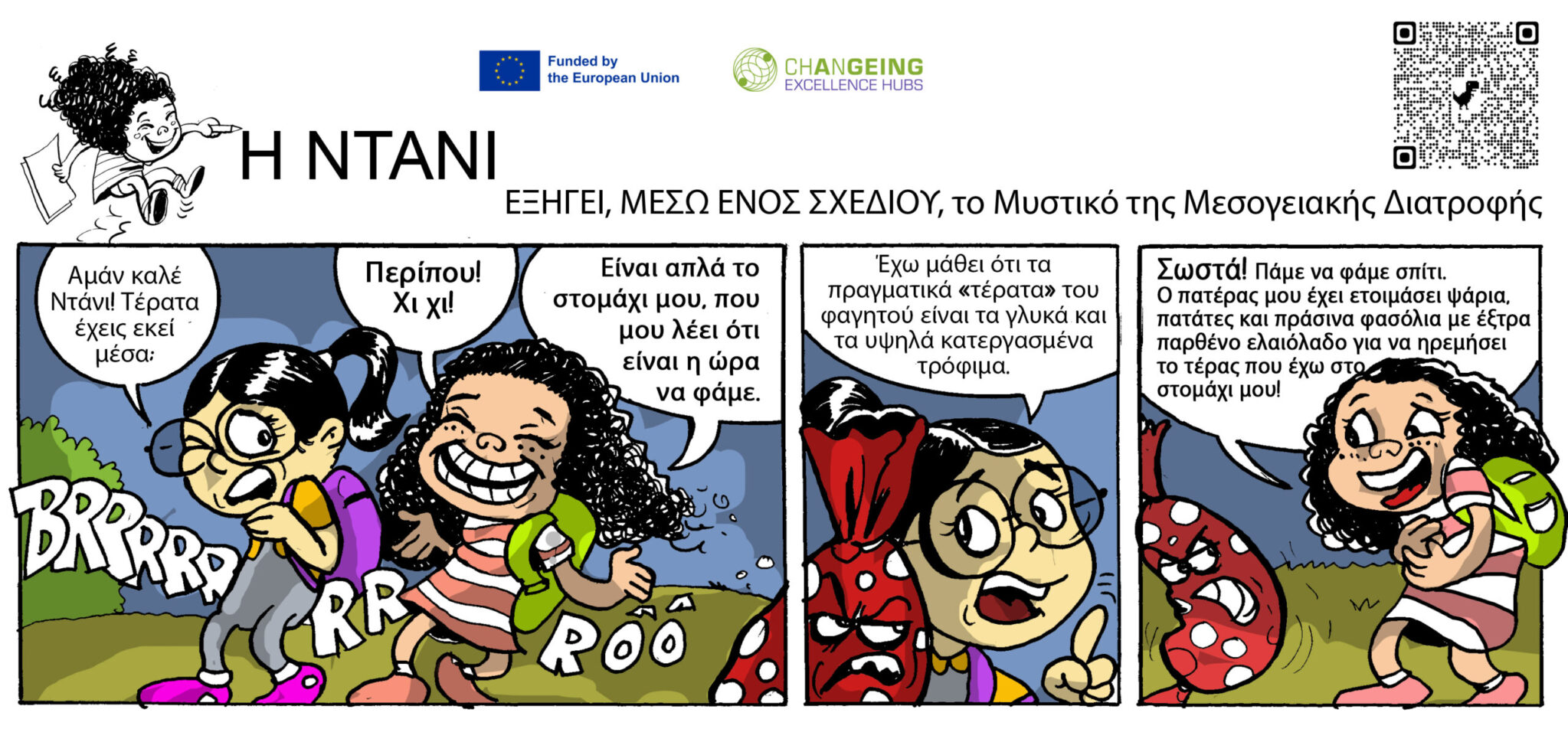
Πλήθος μελετών δείχνει ότι όταν αυτό το ορμονικό σύστημα απορρυθμίζεται, μπορεί να επηρεαστεί όλο μας το σώμα. Ανθυγιεινές συνήθειες σε συνδυασμό με τη φυσική διαδικασία της γήρανσης, μπορούν σταδιακά να διαταράξουν αυτό το σύστημα, καθιστώντας μας πιο επιρρεπείς στην ανάπτυξη μεταβολικών νοσημάτων όπως ο διαβήτης τύπου 2.
Αυτό το άρθρο θα αποκαλύψει τους περίπλοκους μηχανισμούς μέσω των οποίων η τροφή ενεργοποιεί την έκκριση ζωτικών εντερικών ορμονών και πώς η επιστήμη της χρονοδιατροφολογίας μπορεί να μας βοηθήσει να συγχρονίσουμε τη δίαιτα μας με το εσωτερικό μας βιολογικό ρολόι για να βελτιστοποιήσουμε την υγεία μας. 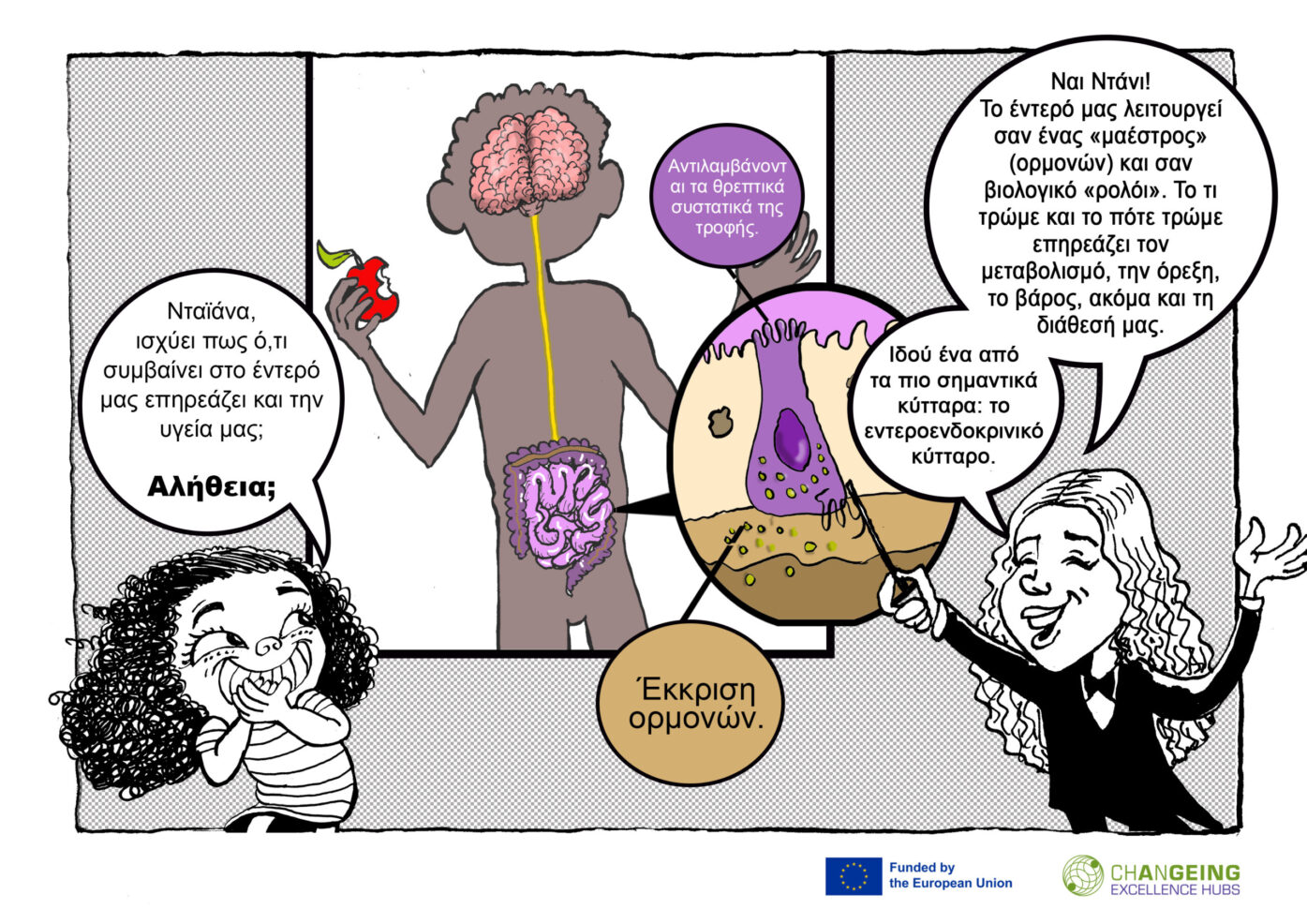
Η πέψη είναι ένας χημικός διάλογος. Όταν το φαγητό φτάνει στο γαστρεντερικό σωλήνα ενεργοποιεί ένα γρήγορο και ακριβές σύστημα ανατροφοδότησης. Η εσωτερική επιφάνεια του εντέρου είναι καλυμμένη με εξειδικευμένα αισθητήρια κύτταρα, τα εντεροενδοκρινικά κύτταρα, που αντιλαμβάνονται την παρουσία θρεπτικών συστατικών. (1,2)
| Ορμόνη | Εκκρίνοντα εντερικά κύτταρα | Κύριο ερέθισμα | Κύρια βιολογικήδράση |
| GLP-1 (Πεπτίδιο, τύπουγλυκαγόνης, 1) | Κύτταρα L (Ειλεός και παχύ έντερο) | Υδατάνθρακες, Λιπαρά, Φυτικέςίνες | Αύξηση έκκρισης ινσουλίνης (ινκρετινική δράση), αναστολή γλυκαγόνης, επιβράδυνση της κένωσης του στομάχου, ενίσχυση της αίσθησης κορεσμού. |
| GIP (Ινσουλινοτροπικό πεπτίδιο εξαρτώμενο από τη γλυκόζη) |
Κύτταρα K(Δωδεκαδάχτυλο και Νηστίδα) | Υδατάνθρακες, Λιπαρά, Φυτικέςίνες | Αύξηση έκκρισης ινσουλίνης (ινκρετινική δράση), διευκόλυνση της αποθήκευσης ενέργειας. |
| CCK (Χολοκυστοκινίνη) | Κύτταρα Ι (Δωδεκαδάχτυλο και Νηστίδα) | Λιπαρά καιΠρωτεΐνες | Ενεργοποίηση της χοληδόχου κύστης (έκκριση χολής) και του παγκρέατος (έκκριση πεπτικών ενζύμων), ισχυρό σήμα κορεσμού. |
| PYY (Πεπτίδιο YY) | Κύτταρα L (Ειλεός και παχύ έντερο) | Λιπαρά, Φυτικές Ίνες, μη χωνευμένα θρεπτικά συστατικά | Ισχυρός μακροπρόθεσμος αναστολέας της όρεξης, επιβράδυνση της εντερικής κινητικότητας. |
Αυτές οι ορμόνες αποτελούν τη βάση της αίσθησης του κορεσμού (CCK, GLP-1, PYY) μέσω της δράσης τους στον υποθάλαμο (τμήμα του εγκεφάλου μας), της ρύθμισης των επιπέδων της γλυκόζης (GLP-1, GIP), και της αποδοτικότητας της πέψης (CCK).
Η σύσταση του κάθε γεύματος είναι ο βασικός παράγοντας που καθορίζει ποιο σετ ορμονών ενεργοποιείται. (3,4)
Πέρα από τα μακροθρεπτικά συστατικά, η ποιότητα και η ποικιλία της διατροφής καθώς και η παρουσία συγκεκριμένων μικροθρεπτικών συστατικών και βιοδραστικών ουσιών, που συχνά συναντώνται στην Μεσογειακή διατροφή, επηρεάζουν την ορμονική δραστηριότητα.
| Κατηγορία | Παραδείγματα δράσης καιμηχανισμών | Παραδείγματατροφών |
| Πολυφαινόλες | Αντιοξειδωτικές ουσίες φυτικής προέλευσης. Μπορούν να αναστείλουν πεπτικά ένζυμα (όπως η α-αμυλάση και α-γλυκοζιδάση), επιβραδύνοντας έτσι την απορρόφηση της γλυκόζης και ρυθμίζοντας την έκκριση ινκρετινών | Πράσινο τσάι, μαύρο κακάο, καφές, έξτρα παρθένο ελαιόλαδο, κόκκινα φρούτα, σταφύλια. |
| Καροτενοειδή | Ήπια έμμεση επιρροή. Η απορρόφησή τους εξαρτάται από την αποτελεσματική πέψη των λιπών (που ρυθμίζεται από την CCK), και η αντιοξειδωτική τους δράση συμβάλλει στην υγεία των εντεροενδοκρινικών κυττάρων | Καρότα, γλυκοπατάτες, κολοκύθα, σπανάκι, λάχανο, μάνγκο. |
| Βιταμίνες και Μέταλλα | Απαραίτητα ως ενζυμικοί συμπαράγοντες για την κυτταρική σύνθεση και λειτουργία. Για παράδειγμα η Βιταμίνη D γίνεται αντιληπτή από υποδοχείς πάνω σε εντεροενδοκρινικά κύτταρα και επηρεάζει την έκκριση GLP-1. | Λιπαρά ψάρια (Βιταμίνη D), ξηροί καρποί και σπόροι (Μαγνήσιο), άπαχα κρέατα (Ψευδάργυρος). |
| Φυτικές Ίνες(Πρεβιοτικά) | Το υπόστρωμα του εντερικού μικροβιώματος. Λιπαρά οξέα βραχείας αλυσίδας που προέρχονται από ζύμωση (βουτυρικό, προπιονικό, οξικό) διεγείρουν άμεσα τα κύτταρα L ώστε να απελευθερώσουν GLP-1 και PYY, ενισχύοντας το εντερικό τοίχωμα | Βρώμη, κιχώρια (ραδίκια και αντίδια), σκόρδο, κρεμμύδι, πράσινες μπανάνες, όσπρια. |
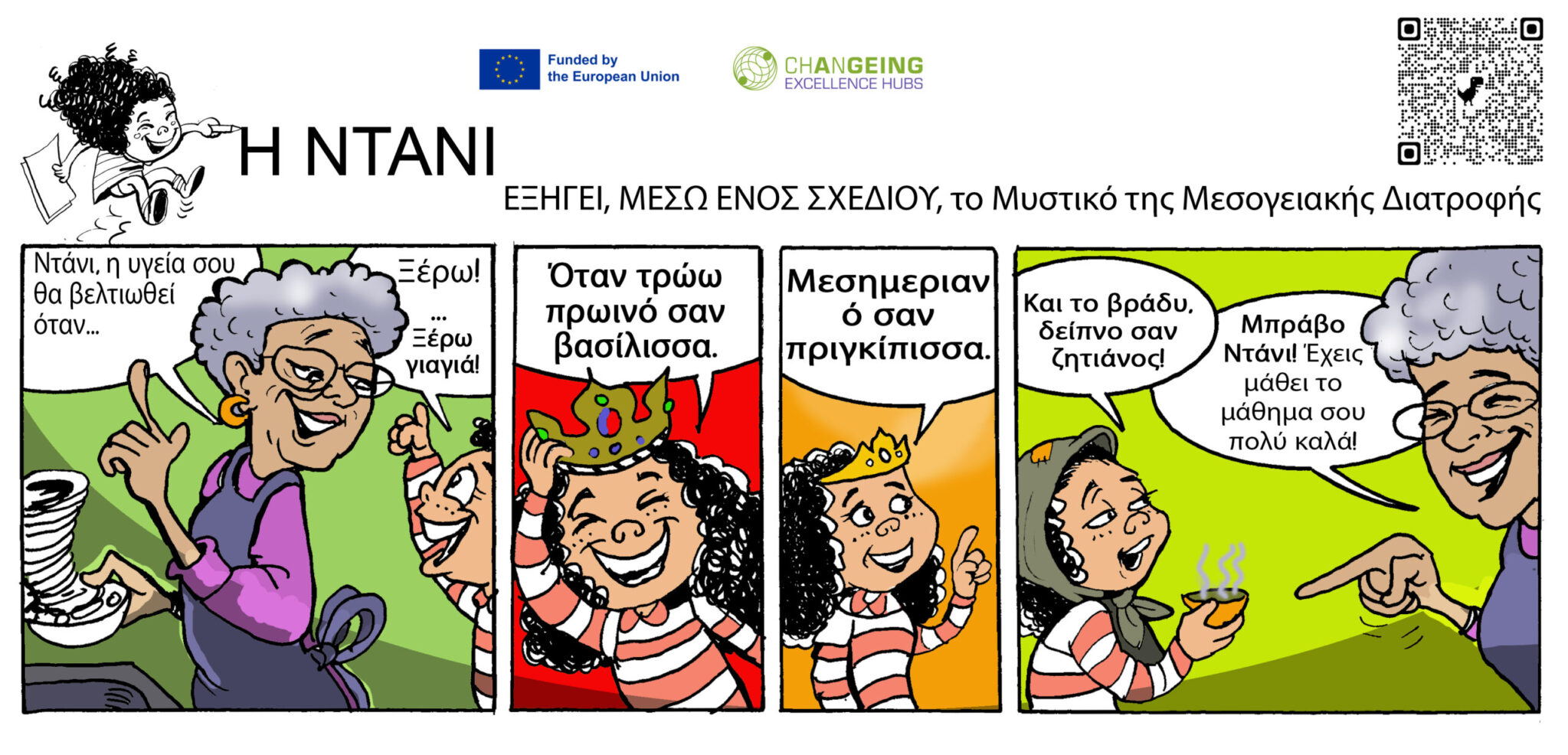
Το ανθρώπινο σώμα είναι μια πολύπλοκη μηχανή που καθοδηγείται από τον κιρκάδιο ρυθμό, έναν βιολογικό κύκλο 24 ωρών που ρυθμίζει τις περισσότερες κυτταρικές λειτουργίες.
Τα εντερικά κύτταρα είναι πιο ενεργά και αποδοτικά κατά τη διάρκεια της μέρας (κατά τη φάση που κανονικά τρώμε και είμαστε δραστήριοι). Αυτός ο συγχρονισμός διασφαλίζει ότι είμαστε μεταβολικά προετοιμασμένοι να δεχτούμε και να επεξεργαστούμε το φαγητό.
Η βρώση είναι το πιο ισχυρό σήμα για το εντερικό ρολόι.
Σε αυτό το σημείο αναδεικνύεται σαφέστερα ο ρόλος της Μεσογειακής Διατροφής στην αποφυγή αυτής της διατροφικής ανισορροπίας.
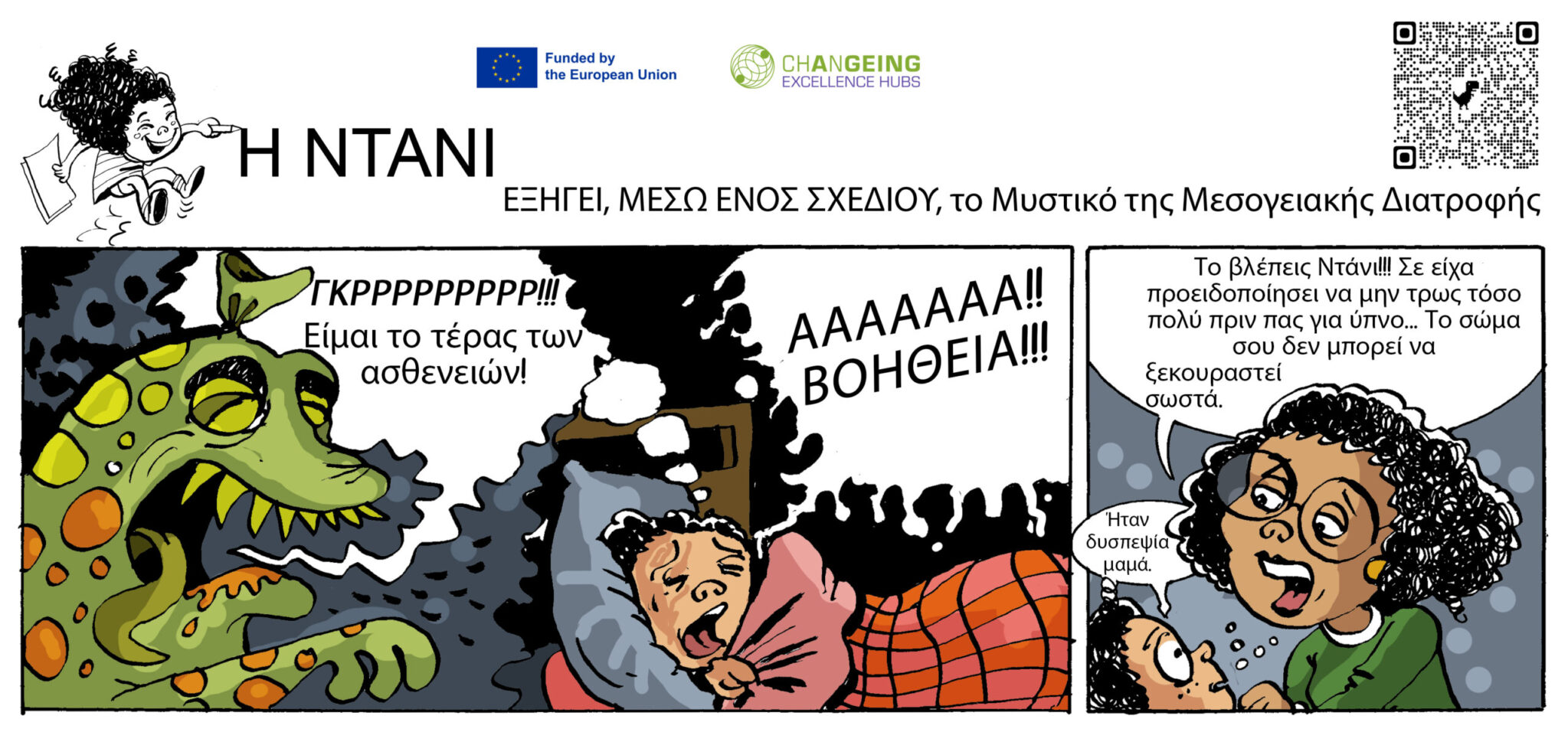
Ο μακροχρόνιος κακός συγχρονισμός μεταξύ του βιολογικού μας ρολογιού και των ωρών που τρώμε (κάτι που συχνά προκαλείται από την εργασία σε βάρδιες ή από τη συνήθεια να τρώμε αργά τα Σαββατοκύριακα, και γι’ αυτό λέγεται «κοινωνικό jet lag»), επιδρά αρνητικά στο έντερο. (9)
Το να τρώμε αργά μπορεί:
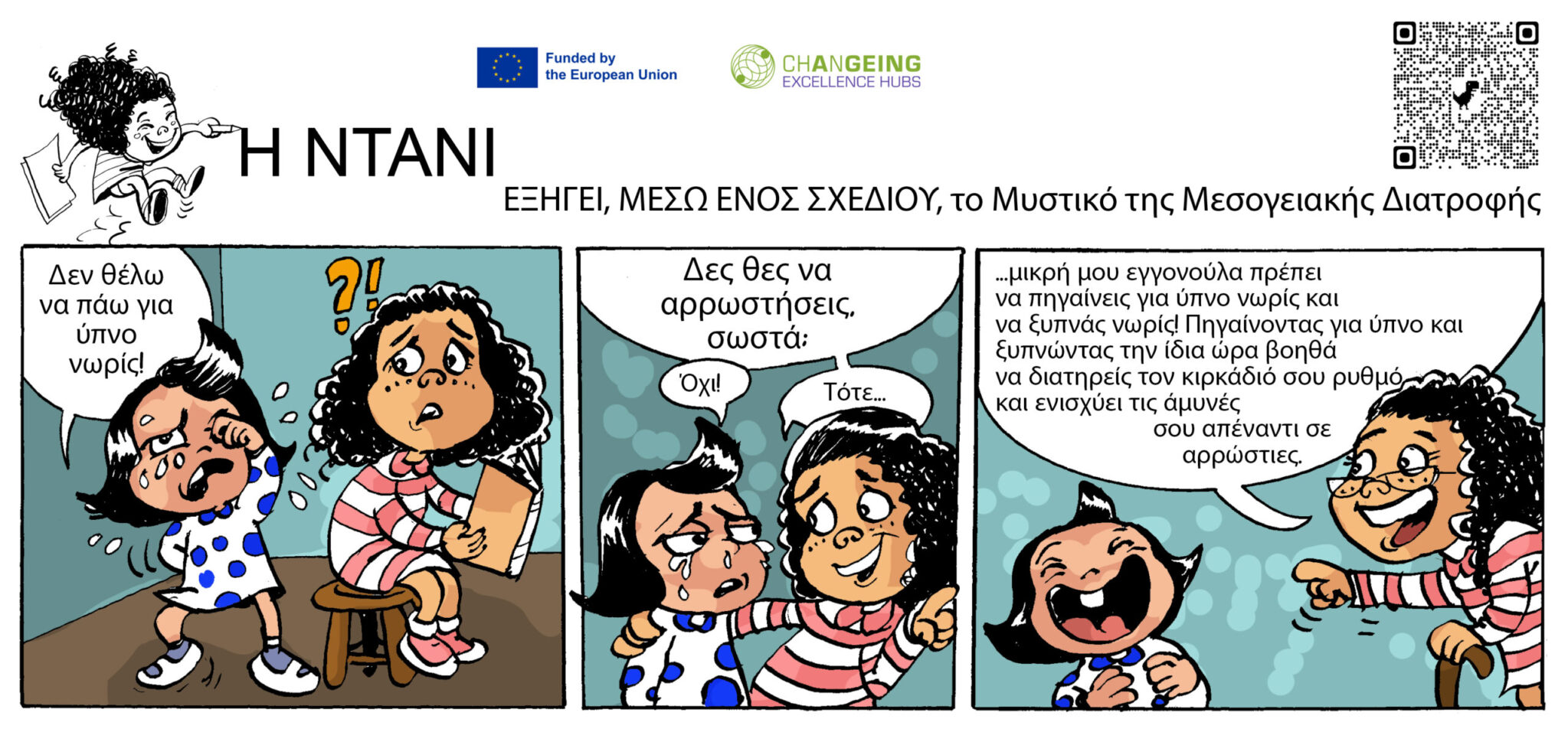
Η Χρονοδιατροφολογία είναι η επιστήμη που μελετά την επίδραση του χρόνου των γευμάτων στο μεταβολισμό, αποδεικνύοντας ότι το πότε τρώμε είναι εξίσου σημαντικό με το τι τρώμε. Συντονίζοντας τα γεύματα με το βιολογικό μας ρολόι, βοηθούμε το σώμα να λειτουργεί πιο αποδοτικά. Συγκεντρώνοντας τα γεύματα στην ενεργή περίοδο της ημέρας, μεγιστοποιούμε την απόδοση του μεταβολισμού και ενισχύουμε το φυσικό βιολογικό ρυθμό του εντέρου. Αυτός ο συγχρονισμός υποστηρίζει την σωστή έκκριση ορμονών όπως η GLP-1, η PYY και η CCK, βοηθά στη διατήρηση ενός πιο σταθερού πεπτικού κύκλου καθ’ όλη τη διάρκεια της μέρας και επιτρέπει στο έντερο να αφιερώσει τη νύχτα σε αποκατάσταση και αναγέννηση. Συνεπώς, η χρονοδιατροφολογία αναδεικνύεται ως ένα δυνατό εργαλείο για την αναπροσαρμογή του βιολογικού ρολογιού μέσω της διατροφής. (10)
Μία βιώσιμη και ισορροπημένη διατροφή όπως η Μεσογειακή (πλούσια σε λαχανικά, φυτικές ίνες, άπαχες πρωτεΐνες, και υγιεινά λίπη, αλλά και φτωχή σε υψηλά κατεργασμένα τρόφιμα), παρέχει τα κατάλληλα ερεθίσματα (6):
Συγγραφείς: Diana Sousa and Paulo Matafome
Σχεδιασμός: José Gomes
Κείμενο: António Piedade